
Continuous Glucose Monitoring for Diabetic Dogs & Cats: The Complete Vet Guide
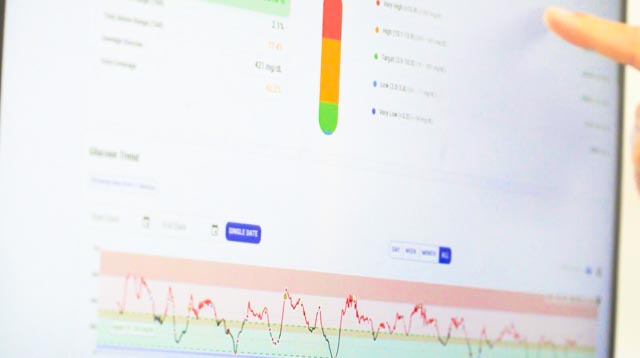
Glimpse how CGM reveals hidden glucose highs and lows in diabetic dogs and cats—and what your vet does with the data to fine‑tune insulin.
Adapet Blog
Practical articles and perspectives for veterinary clinics and pet owners on diabetes monitoring, CGM use, first-case workflows, owner communication, and real-world glucose trends.
Glimpse how CGM reveals hidden glucose highs and lows in diabetic dogs and cats—and what your vet does with the data to fine‑tune insulin.
Fewer glucose surprises happen when you compare spot checks with CGM trends—see what 24/7 data reveals about hidden spikes and overnight lows next.
Keeping your pet’s CGM graphs from feeling overwhelming starts with time‑in‑range, variability, and daily patterns—but the most telling clue is what repeats.
Glimpse how feline glucose curves and CGM differ in accuracy, timing, and safety—and why one hidden pattern can change your cat’s insulin plan.
A step-by-step guide to dosing, injecting, and storing canine insulin safely—avoid common mistakes and learn the one detail that could prevent a crisis.
Curious how to dose, inject, and store feline insulin safely step-by-step without risking dangerous lows—before your next shot, learn the critical details.
Keen to stabilize your diabetic dog’s blood sugar with low‑glycemic meals, smart treats, and precise meal timing—see the simple tweaks most owners miss.
Avoid hypoglycemia in cats by spotting early warning signs, taking fast emergency steps, and preventing insulin-food mismatches—see the critical thresholds you can’t afford to miss.
Dreading sudden cataracts and unstable glucose in your senior dog, you’ll learn how concurrent diseases reshape diabetes care and quality of life—if you keep reading.
Unlock a stepwise recheck and titration schedule that prevents missed ketones and dosing mistakes—before you discover what the next clinic visit should reveal.
Guaranteeing precise readings with veterinary glucometers is essential for managing your pet's diabetes. Inaccuracies can lead to dangerous hypoglycemia or long-term hyperglycemia, compromising your pet's health.
@meta description: Find out how continuous glucose monitoring transforms diabetes care in pets, offering real-time insights for optimal treatment. Discover more to enhance pet health.
@meta description: For pet owners and vets alike, this guide demystifies veterinary glucose meters—how they work, when to trust results, and crucial pitfalls to avoid.
- Polyuria (Excessive urination): Increased glucose in the blood leads to osmotic diuresis, resulting in excessive urination.
To understand feline and canine diabetes, veterinary monitoring of glucose levels is essential. Cats often develop type 2 diabetes with insulin resistance, while dogs usually have type 1, lacking insulin production.
Gain insights into training your team for CGM support in pets and uncover strategies to enhance your clinic's care delivery.
@meta description: Unlock the top 7 warning signs your diabetic pet’s glucose is off—and discover how CGM pinpoints fixes you can act on today.
@ meta description: Learn how to manage pet diabetes with insulin, diet, exercise, and CGM tech. Discover expert tips to prevent complications and improve pet’s quality of life.
Learn the science behind veterinary glucose meters and how they accurately monitor blood sugar levels in dogs and cats to support better diabetes management.
A revolution in pet health is here with smart veterinary blood glucose meters—discover how they're transforming care and strengthening the pet-owner bond.
A breakthrough in pet care, non-invasive glucose monitoring reduces stress and discomfort, promising happier pets—discover how it transforms their wellbeing.
@meta description: Intrigued by safer CGM setup for pets—adhesives, activity limits, and irritation hacks—discover the exact steps vets use to keep sensors secure without stressing your animal.
Pet diabetes is increasing. Discover why every veterinary clinic needs a reliable glucometer to ensure early diagnosis, effective treatment, and better outcomes.
@ meta description: Learn how to manage diabetes in your dog or cat with our guide. Covers symptoms, treatment, diet, exercise, glucose monitoring, and tips for healthy pet care.
@meta description: Navigate how CGM data enhances insulin dosing accuracy in pets, offering real-time insights for tailored treatment regimens. Discover the full potential.
@meta description: Future breakthroughs in glucose monitoring are revolutionizing veterinary care, offering real-time insights and personalized treatments for diabetes in animals—discover more.
@meta description: A concise guide to short-term CGM in at‑risk pets reveals hidden glucose swings, practical setup tips, and actionable insights—discover what your spot checks are missing.
@meta description: Optimize your clinic’s CGM workflow with Adapet—veterinary teams share quick wins, checklists, and triggers you can use today, but the smartest tweak is still ahead.
Learn how blood glucose monitoring in pets with a veterinary glucometer can detect diabetes early, guide treatment, and help save your pet’s life.
Continuous glucose monitoring for diabetic dogs and cats — backed by veterinary science.