V Plus CGM
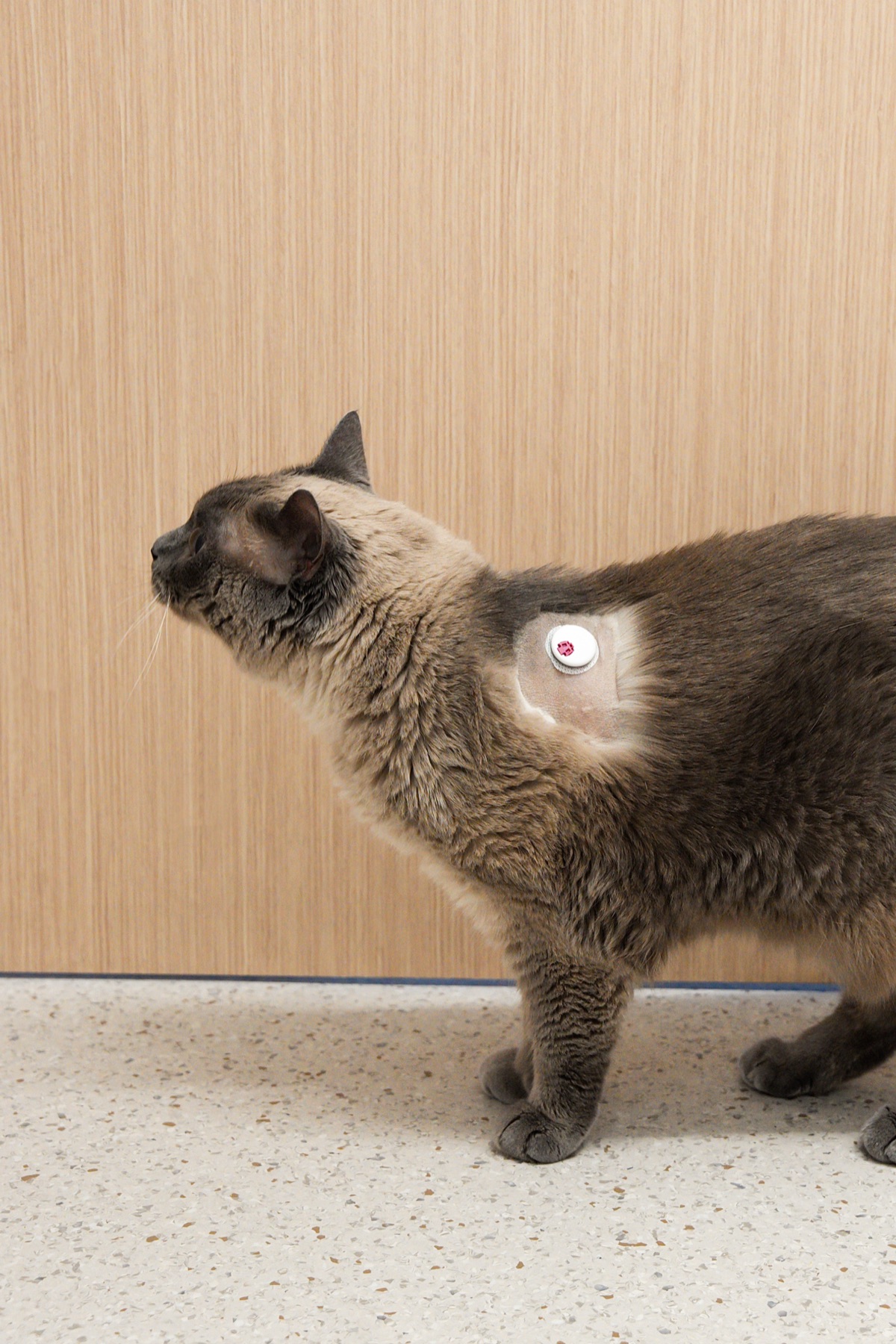
Lasts up to 14 days
A small sensor your vet applies to your pet that continuously measures glucose levels. It's painless and most pets don't even notice it.
For Pet Owners
Adapet CGM gives you and your vet a continuous view of your pet's blood glucose — 24 hours a day, up to 14 days per sensor. No daily blood draws. No guesswork.

Diabetes happens when your pet's body can't regulate blood sugar properly. Just like in people, this means their glucose levels can go too high or too low, affecting how they feel and their long-term health.
Most diabetic pets need insulin injections, consistent meal times, and regular monitoring.
With the right tools and your vet's guidance, diabetic pets can live happy, healthy lives.
Your daily observations and consistency make the biggest difference in your pet's care.
What is a CGM
A Continuous Glucose Monitor (CGM) sensor is placed on your pet's skin and measures glucose every 3 minutes — automatically, without any needles after the initial placement.
The data streams wirelessly to your phone and to your vet's clinic portal. You both see the same real-time picture of how your pet's glucose is behaving throughout the day and night.
A single sensor lasts up to 14 days. No lab visits required during that period for routine glucose monitoring.
A single reading at the vet doesn't tell you what happened overnight or after meals. A CGM shows the complete 24-hour curve.
Your vet can see exactly how your pet responds to their current dose — and adjust confidently, not by guesswork.
Hypoglycaemic episodes often happen at night. The Adapet app alerts you on your phone before symptoms appear.
You see the same data as your vet, in real time. More confidence managing your pet's diabetes between appointments.
Get the bigger picture
Traditional spot checks give you snapshots, but continuous monitoring shows the full picture of what's happening with your pet throughout the day and night.
Three simple components work together to help you and your vet monitor your pet's health
Lasts up to 14 days
A small sensor your vet applies to your pet that continuously measures glucose levels. It's painless and most pets don't even notice it.
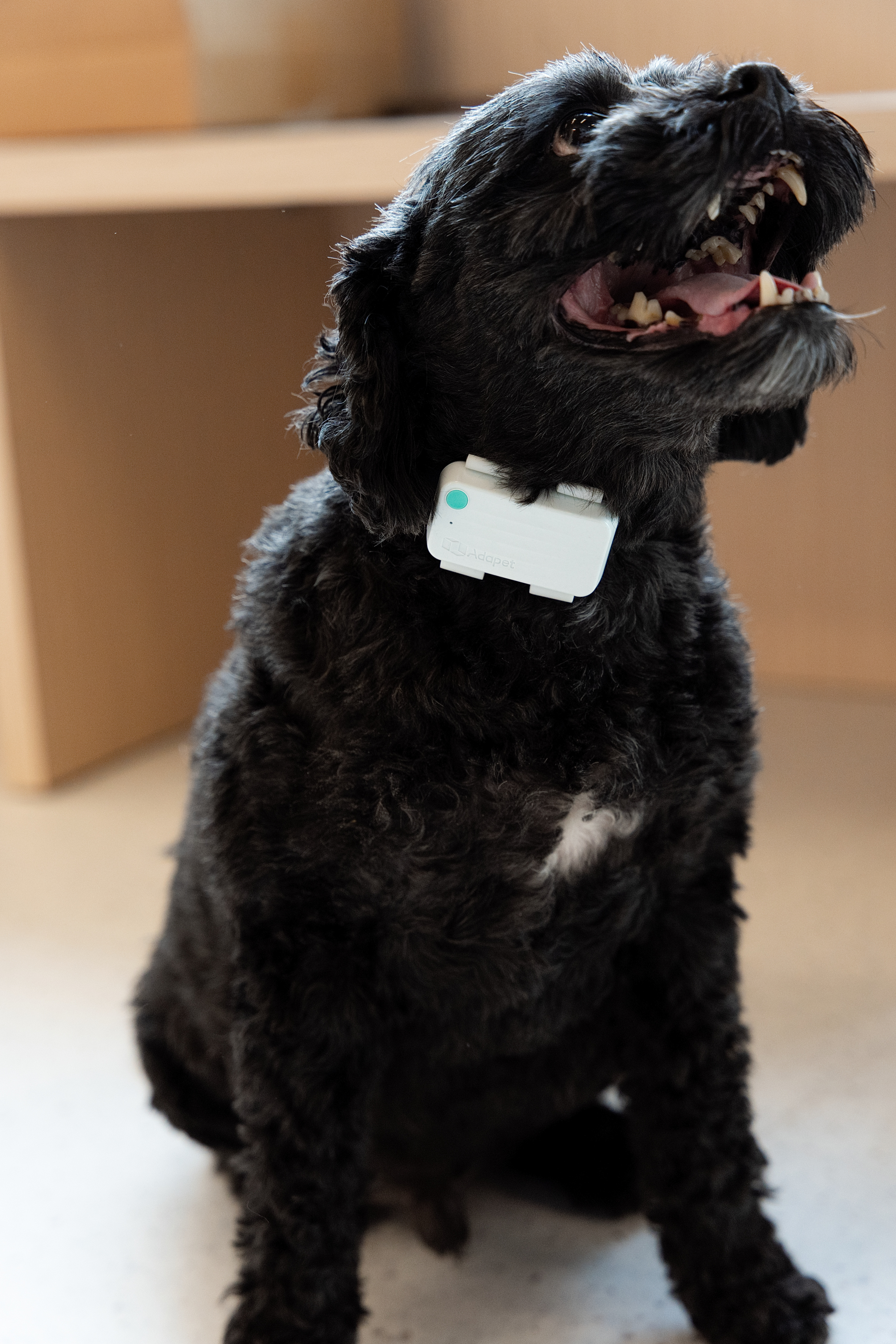
Rechargeable & water-resistant
A lightweight device that clips to your pet's collar to track their activity levels throughout the day and night.
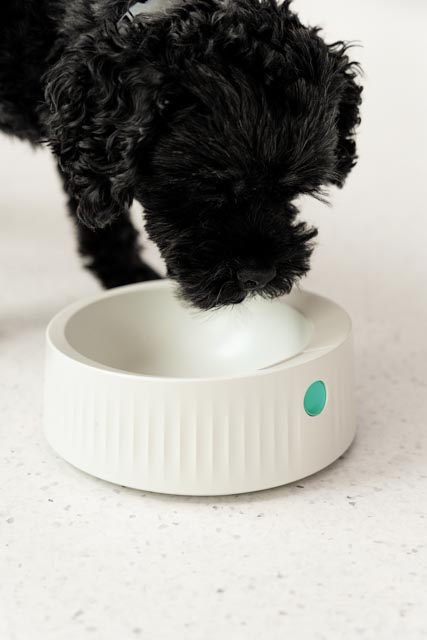
Easy setup & cleaning
A smart feeding bowl that records when and how much your pet eats, helping connect meals to glucose patterns.
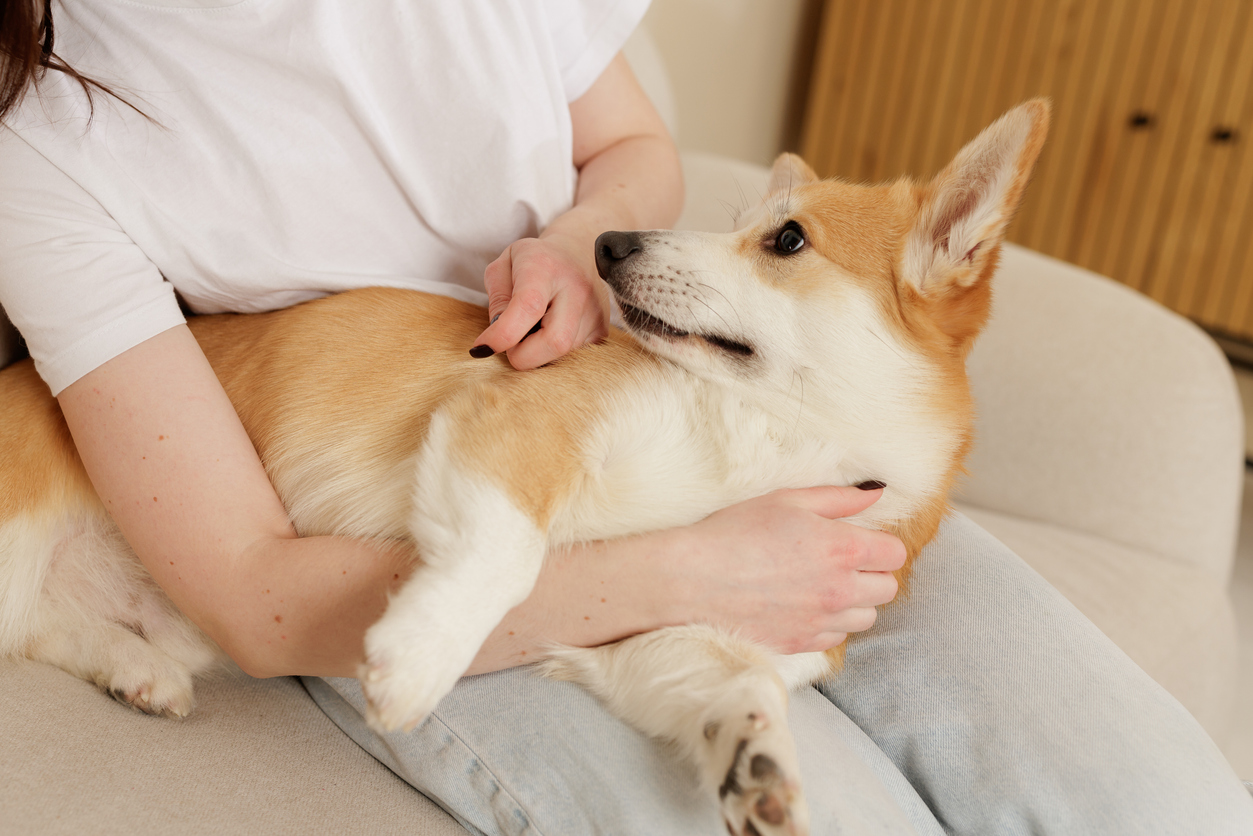
You play a vital role in your pet's diabetes management. Here's how you can help:
Feed meals and give insulin at the same times each day
Check glucose trends and watch for alerts from the system
Track if your pet seems tired, unusually thirsty, or acts different
Share observations and ask questions during check-ins
Schedule vet visits to apply new sensors every 14 days
Know when to call your vet if glucose is too high or low
Your veterinarian is the medical expert. Never make these decisions on your own:
Only your vet can adjust how much insulin your pet receives
Changing when or what type of insulin you use requires veterinary guidance
Your vet needs to approve any changes to your pet's food or feeding schedule
If you see unusual patterns in the data, contact your vet for guidance
Always call your vet immediately if your pet shows signs of very low or high blood sugar
Owner Guide
Ask your vet about CGM for your pet. Share this page or send them info using the form below.
Your vet places the small CGM sensor at the clinic — a 5-minute procedure, no sedation needed.
Install the free Adapet Owner App. Scan the QR code on the sensor to pair your phone.
See live readings and receive alerts. Your vet watches the same data via their Vet Portal.
Inform your Vet
Adapet CGM supports veterinarian-led glucose monitoring and does not replace veterinary medical advice or emergency care. Treatment decisions must be made by your veterinarian.
Read Safety Information →