
For Pet Owners

Your diabetic pet deserves continuous care.

Adapet CGM gives you and your veterinarian a continuous view of your pet's glucose trends between visits. Your veterinary clinic applies the sensor and leads treatment decisions.

A cat at home — continuous care between vet visits

ペットの糖尿病とは?

糖尿病は、ペットの体が血糖値を適切に調節できなくなる疾患です。人間と同様に、グルコースレベルが高すぎたり低すぎたりして、体調や長期的な健康に影響を与えます。

日常管理

ほとんどの糖尿病ペットは、インスリン注射、一定の食事時間、定期的なモニタリングが必要です。

管理は可能です

適切なツールと獣医師の指導があれば、糖尿病ペットは幸せで健康的な生活を送ることができます。

飼い主が鍵を握っています

毎日の観察と一貫性が、ペットのケアにおいて最大の違いを生みます。

What is a CGM

Continuous Glucose Monitoring — for dogs and cats

A Continuous Glucose Monitor (CGM) sensor is placed on your pet's skin and measures blood glucose every 5 minutes — automatically, without any needles after the initial placement.

The data streams wirelessly to your phone and to your vet's clinic portal. You both see the same real-time picture of how your pet's glucose is behaving throughout the day and night.

A single sensor lasts up to 14 days. No lab visits required during that period for routine glucose monitoring.

Spot checks miss the full picture

A single reading at the vet doesn't tell you what happened overnight or after meals. A CGM shows the complete 24-hour curve.

Better insulin dosing decisions

Your vet can see exactly how your pet responds to their current dose — and adjust confidently, not by guesswork.

Catch dangerous lows at home

Hypoglycaemic episodes often happen at night. The Adapet app alerts you on your phone before symptoms appear.

You're part of the treatment

You see the same data as your vet, in real time. More confidence managing your pet's diabetes between appointments.

Get the bigger picture

単一の測定値よりもトレンドが重要な理由

従来のスポットチェックはスナップショットを提供しますが、持続モニタリングはペットの昼夜を通じた血糖値の全体像を示します。

スポットチェック

  • ある一瞬の血糖値しか表示されません
  • チェック間の高値や低値を見逃します
  • ペットにストレスを与えます
  • 頻繁な通院が必要です

持続トレンド

  • 数時間から数日間のパターンを表示します
  • 睡眠中の危険な低血糖を捉えます
  • 針を刺す必要がなく、ペットにストレスを与えません
  • 自宅からモニタリングし、獣医師が遠隔で確認します

Adapetシステムの構成

3つのシンプルなコンポーネントが連携して、飼い主と獣医師がペットの健康をモニタリングするのをサポートします

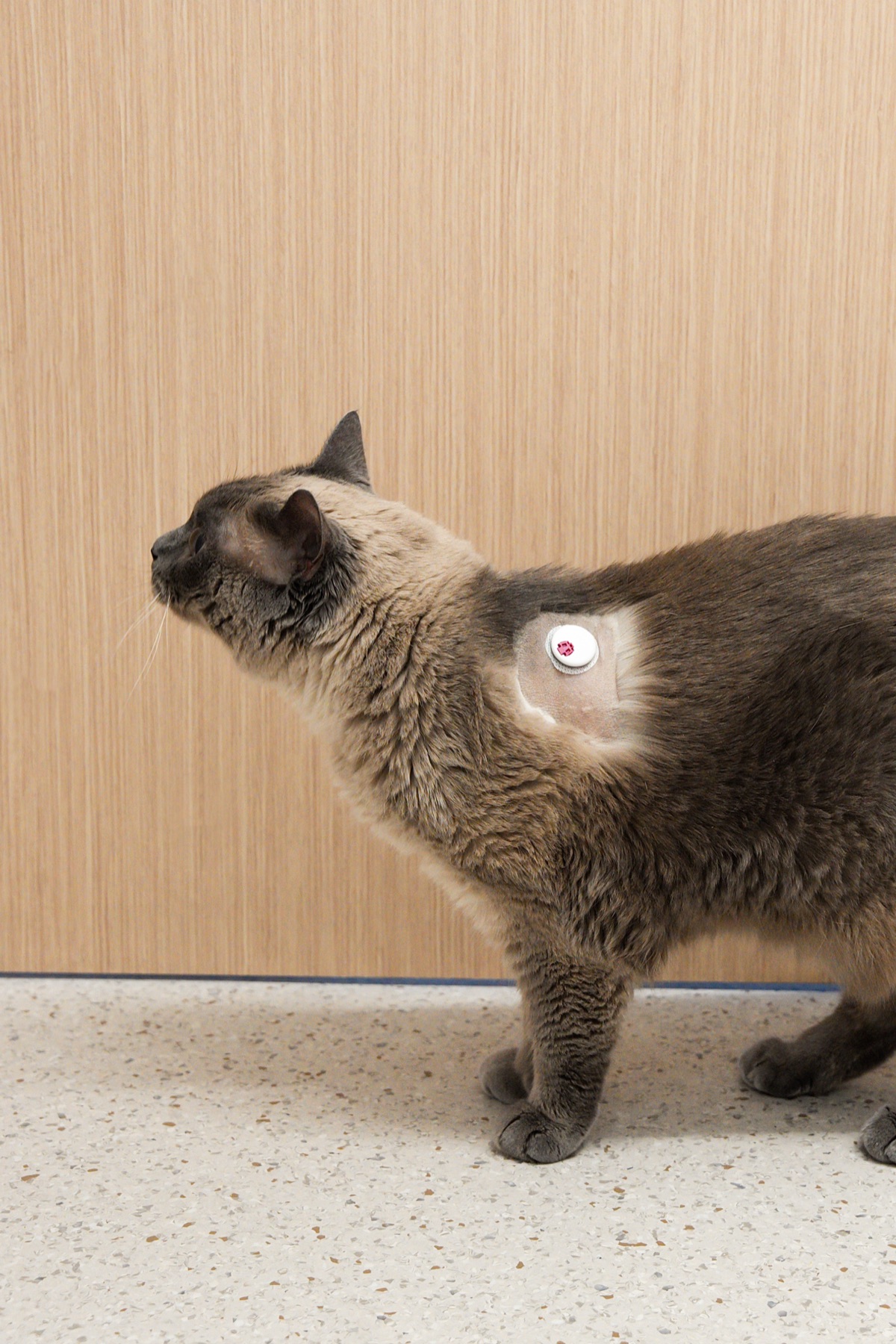
Adapet V Plus CGM sensor on a cat

V Plus CGM

最大14日間使用可能

獣医師がペットに装着する小型センサーで、血糖値を持続的に測定します。痛みがなく、ほとんどのペットは気づきません。
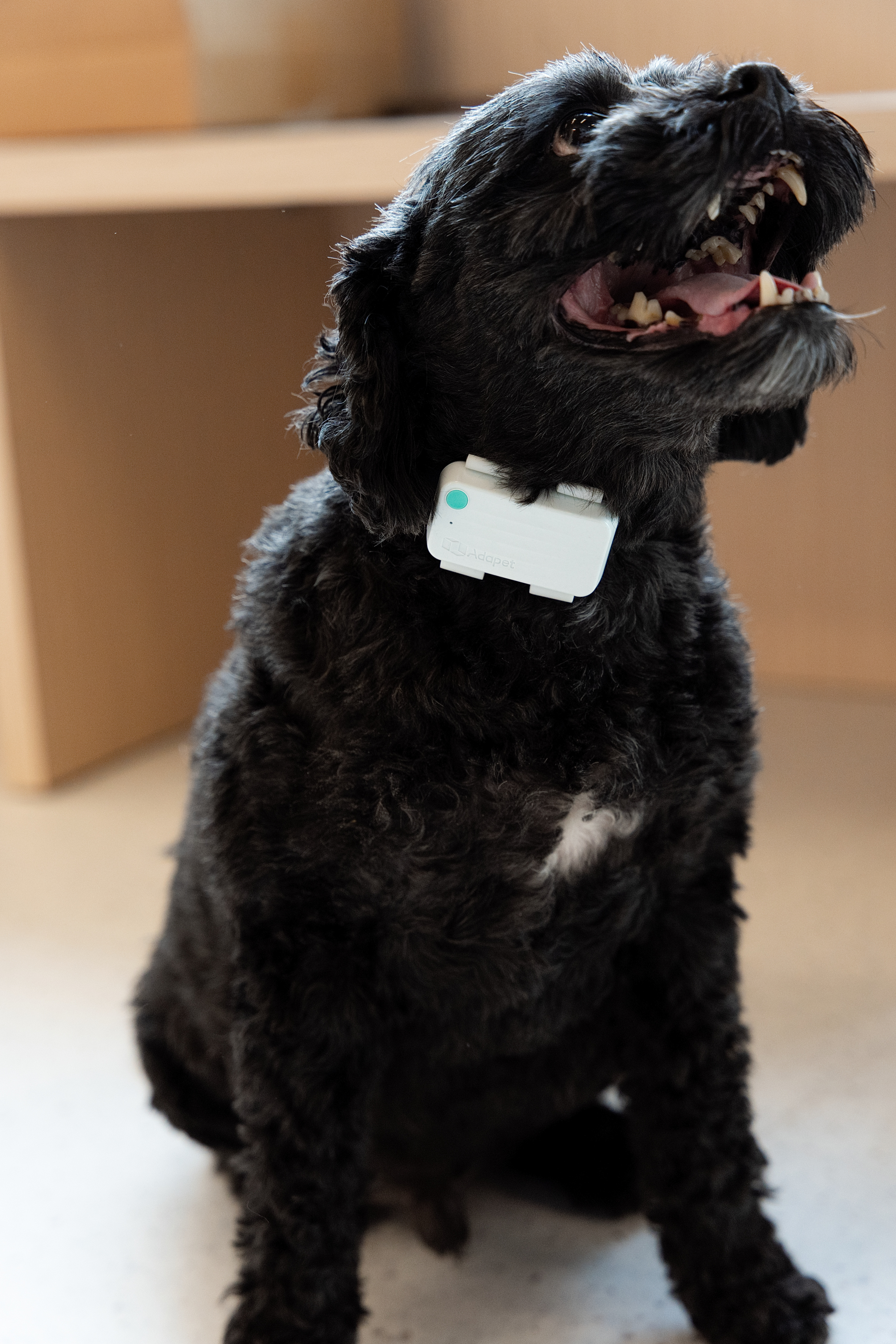
AdaPod device on a dog collar

AdaPod

充電式・防水仕様

ペットの首輪に取り付ける軽量デバイスで、昼夜を通じて活動量を追跡します。
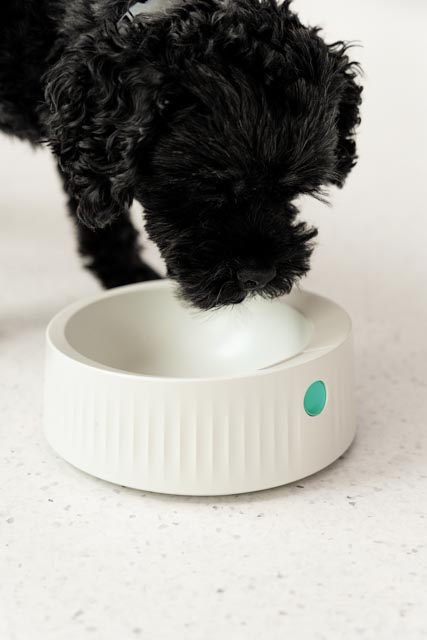
AdaFeeder bowl below a dog's nose

AdaFeeder

簡単セットアップ&お手入れ

ペットがいつ、どれだけ食べたかを記録するスマート給餌ボウルで、食事と血糖パターンの関連付けに役立ちます。
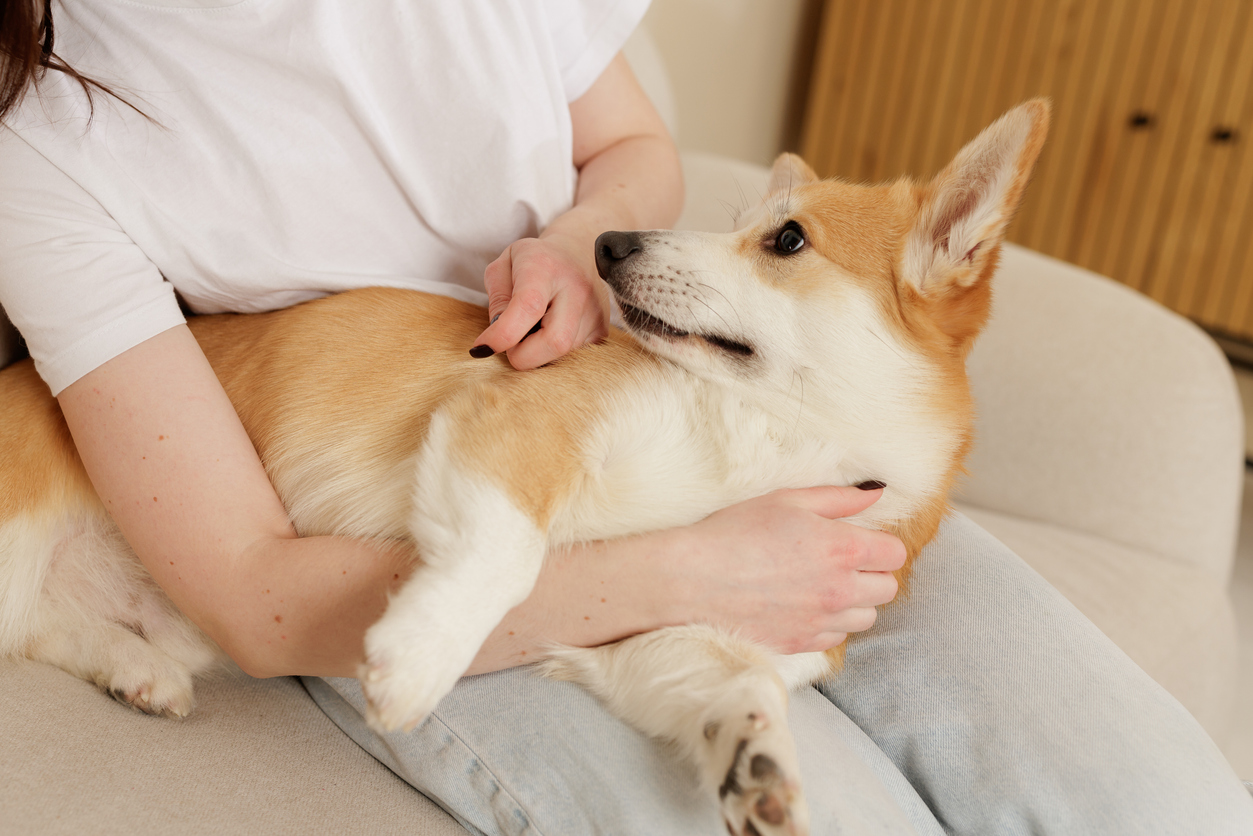
A pet owner with their dog

飼い主としてできること

ペットの糖尿病管理において、飼い主は重要な役割を担っています。以下の方法でお手伝いいただけます:

一貫したルーティンを維持する

毎日同じ時間に食事を与え、インスリンを投与してください

毎日アプリを確認する

血糖トレンドを確認し、システムからのアラートに注意してください

行動の変化に注意する

ペットが疲れている、異常に喉が渇いている、いつもと違う行動をしているかどうかを観察してください

獣医師とコミュニケーションを取る

検診の際に観察結果を共有し、質問してください

センサーを期限どおりに交換する

14日ごとに新しいセンサーを装着するための獣医師の予約を入れてください

緊急時の情報を手元に準備しておく

血糖値が高すぎたり低すぎたりする場合に獣医師に連絡すべきタイミングを把握しておいてください

獣医師と相談して決めるべきこと

獣医師は医療の専門家です。以下の判断は決して自己判断で行わないでください:

  • インスリン投与量の変更

    ペットのインスリン投与量を調整できるのは獣医師だけです

  • インスリンの種類またはタイミング

    インスリンの種類や投与タイミングの変更には獣医師の指導が必要です

  • 食事やフードの変更

    ペットのフードや給餌スケジュールの変更は獣医師の承認が必要です

  • 気になるトレンドの解釈

    データに異常なパターンが見られた場合は、獣医師にご相談ください

  • 緊急時の対応

    ペットに非常に低いまたは高い血糖の兆候が見られた場合は、必ず直ちに獣医師に連絡してください

Owner Guide

From conversation to continuous monitoring

01

Talk to your vet

Ask your vet about CGM for your pet. Share this page or send them info using the form below.

02

Vet applies the sensor

Your vet places the small CGM sensor at the clinic — a 5-minute procedure, no sedation needed.

03

Download the app

Install the free Adapet Owner App. Scan the QR code on the sensor to pair your phone.

04

Monitor at home

See live readings and receive alerts. Your vet watches the same data via their Vet Portal.

Inform your Vet

Let your vet know about Adapet CGM

Pet Type *

* required fields

By submitting this form, you agree that Adapet may contact your veterinary clinic on your behalf with educational information. Medical decisions must be made by your veterinarian.

Are you a veterinarian?

Start offering Adapet CGM at your clinic today.

Important safety note

Adapet CGM supports veterinarian-led glucose monitoring and does not replace veterinary medical advice or emergency care. Treatment decisions must be made by your veterinarian.

Read Safety Information →